


The YAJIROBEE Zackroll Development Secrets ~Episode 4~
Mastering the Crawler: Design Specs, Tuning, and Tactics for the ZACRAWL YAJIROBEE
By: Nakanishi, ADUSTA Lure Designer
Hey everyone, Nakanishi here, lead lure designer for ADUSTA.
In this blog series, I want to take you behind the curtain to share the development stories, design concepts, and custom tuning methods that we’ve kept under wraps until now. For Episode 4, we’re diving deep into the core action of the ZACRAWL YAJIROBEE, my personal tackle recommendations, and some killer aftermarket tuning tricks to help you trigger more explosive topwater bites.
The Core Action: The Dead-Slow Crawl

The defining characteristic of the ZACRAWL YAJIROBEE is its aggressive, water-churning crawling action. It doesn’t just sit on top; it displaces a serious amount of water by wrapping the surface tension around its bulky body profile.
As I’ve mentioned in previous posts, the absolute baseline technique for this bait is a dead-slow to slow retrieve using a low-gear ratio reel.
Pro Tip for Perfect Tracking: When running the YAJIROBEE, keep your rod tip positioned high—at about the 10 o’clock position. This lifts your line off the water, minimizing line slap and drag, which allows the wings to open and catch water consistently at ultra-slow speeds. As the lure gets closer to the boat or bank, gradually lower your rod tip to maintain a constant line-to-lure angle. This ensures optimal wing action and prevents you from pulling the bait away from a striking fish, significantly increasing your hook-up ratio.
That being said, winged crawler baits are incredibly versatile tools. By utilizing creative rod work instead of a straight retrieve, you can make the YAJIROBEE perform tight, localized walk-the-dog cadences or sharp, popping actions similar to a topwater popper. This allows you to stall the bait and tease heavily pressured bass out of tight, pinpoint cover. Don't be afraid to experiment with your rod work to unlock your own signature presentation.
Recommended Tackle Setup

The Zackroll YAJIROBEE is a good match for low-gear reels.
Because the ZACRAWL YAJIROBEE weighs in at a hefty 42g (approx. 1.5 oz), it punches above its weight class and requires a dedicated heavy-duty tackle configuration. Topwater crawler baits are notorious for generating explosive, violent strikes where fish often swat at the bait, making it easy to miss hooks. Balancing your rod and line choice to cushion the blow and let the fish fully inhale the bait is the ultimate key to landing more fish.
The Rod: A fiberglass or glass-composite rod is ideal. If you prefer carbon fiber (graphite), look for a blank with a regular to slow/parabolic taper.
Length: 6’6” or longer
Power: Medium-Heavy (MH)
Action/Taper: Slow (Parabolic) to Regular-Fast (RF)
The Reel: A low-gear ratio casting reel (around 5.1:1 to 5.8:1) is highly recommended to prevent you from over-walking the bait.
The Line: Nylon Monofilament (14lb+) or heavy Braided Line (50lb+). Note: Avoid thin braid; heavy topwater baits can snap thin line during a hard cast, sending your lure flying.
Custom Tuning Guide (The Secret Menu)

1. Factory Replacement Wings (Maintenance)
We sell the OEM YAJIROBEE replacement wings as spare parts. If your stock wings get bent out of shape or damaged after taking a beating from giant bass, check out our official YouTube tutorial for a quick step-by-step replacement guide.

2. The Stainless Steel Tuning Wings
For anglers looking to push this bait to the limit, we offer an aftermarket Stainless Steel Tuning Wing Upgrade. Switching to these wings radically increases the bait's startup response and adds a distinct, high-pitched metallic clacking sound to your presentation. If you want a louder, high-appeal "noisy" cadence to target highly specific targets, this is your play.
Compared to the stock aluminum configuration, the stainless steel wings are noticeably thinner and shorter. Because high-strength stainless steel has a higher specific gravity (heavier weight per volume) even with a thinner profile, the wings instantly catch air and snap wide open the second the bait slaps the water, giving you an immediate startup action on your very first crank.

3. The FORCE MIX Wing Swap
Here is an insider secret: the stock wings from the ADUSTA FORCE MIX fit perfectly onto the YAJIROBEE hardware. Because they share a similar material and weight profile, the overall balance of the bait remains intact. However, the slightly altered wing geometry alters the acoustic pitch of the acoustic knock during the retrieve. Topwater preferences change depending on local forage and fishing pressure, so swapping these out is a great way to show the fish a unique acoustic signature.
4. The YAJIROBEE Jr. Wing Swapping
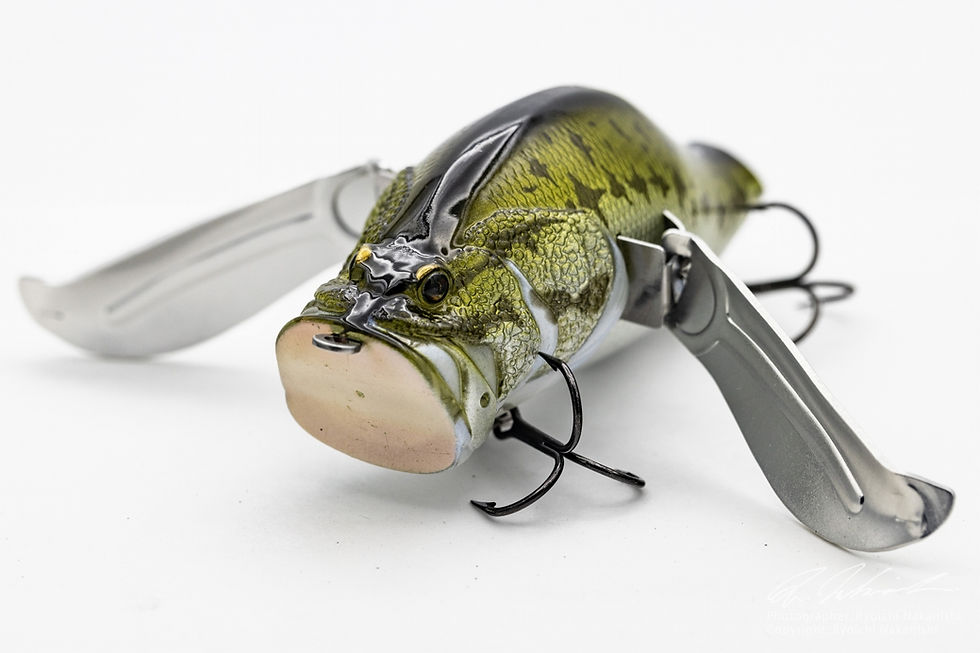
You can also mount the smaller ZACRAWL YAJIROBEE Jr. wings onto the full-sized YAJIROBEE body. This profile mimics the shape of our Stainless Steel Tuning Wings, resulting in a tighter, ultra-high-frequency roll and a faster wobbling pitch. Since these are stamped from high-strength aluminum, they deliver a much more subtle, muted metallic acoustic knock for a stealthier presentation.
5. Feathered Treble Upgrades

Swapping out your stock rear treble for a custom feathered hook increases the underwater volume of the hook profile without adding weight, helping the hook get sucked effortlessly into the mouth of a big bass.
Natural feathers have been a trusted fish-attractor used by commercial fishermen since ancient times. The organic, fluid breathing motion of the feathers as they follow the pulsing action of the crawler removes any suspicion from a tracking predator, forcing them to commit.
You can experiment with different materials like standard cock neck feathers, rabbit fur, or marabou to achieve different hydro-acoustic textures. We recommend staying around a #4 treble hook for the perfect balance.
Important Tech Note: If you use highly buoyant materials like marabou, make sure the feathers are completely saturated with water before your first cast. If dry air is trapped in the feathers, the excess buoyancy will offset the precise internal weight balance of the lure, causing the crawling action to fail.
6. The Ultimate Frankenstein Mod: The "HEART BASTER" Hybrid
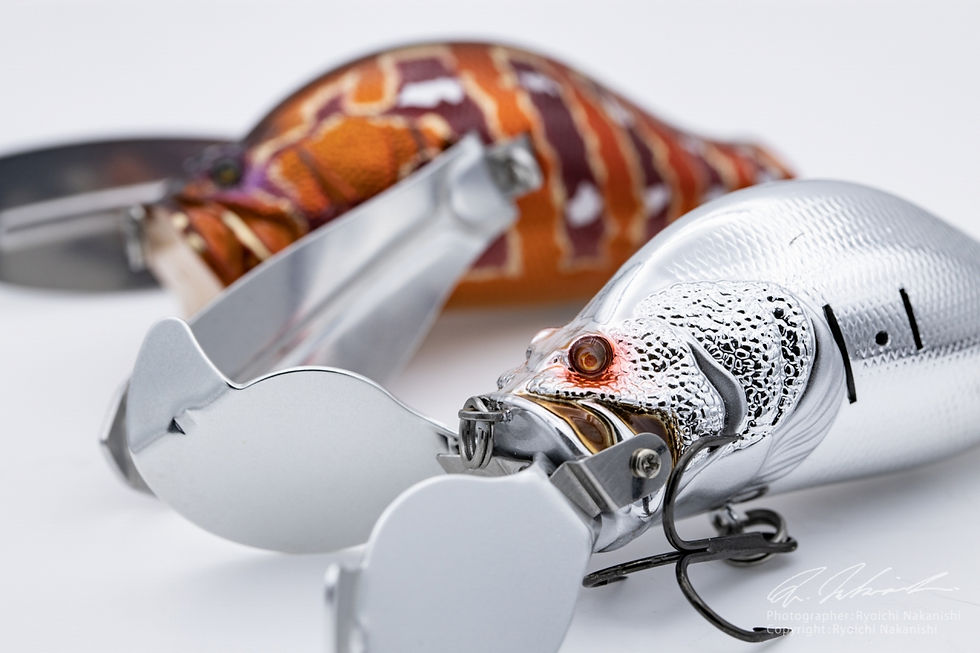
This is a highly advanced, underground custom tuning trick. Because our ZACRAWL series lures share standardized component blueprints, you can strip the front wings off an ADUSTA HEART BLASTER and install the YAJIROBEE wings into its standard mounting slots.
The result? A completely custom, perfectly horizontal-floating YAJIROBEE.
By dropping the heavy front hardware, the bait drops to 34g with the rear prop intact, and down to 32g if you remove the prop—saving you roughly 10 grams of total weight. Shifting the center of gravity so drastically completely alters the acoustics, causing the metallic wing-knocking sound to pierce through the surface tension much louder. Plus, because the HEART BLASTER body features a built-in internal micro-rattle chamber, you get a beautiful dual-tone, high-pitch rattle overlayed with the metallic wing clatter.
If you take it a step further and pair the HEART BLASTER body with the YAJIROBEE Stainless Steel Tuning Wings, you create an incredibly loud, ultra-aggressive wake bait. You can even remove the diving lip from a ZACRAWL SC and utilize its body for a completely different floating buoyancy profile...
From here on out, I’ll leave the testing to you. Mixing and matching our engineered bodies and wings unlocks an endless array of custom topwater presentations. Dive in, build your ultimate custom YAJIROBEE, and enjoy the unmatched satisfaction of catching giants on a lure you built yourself!


Comments