


The YAJIROBEE Zackroll Development Secrets ~Episode 3~
Engineering the ZACRAWL YAJIROBEE: Advanced Hardware and Structural Design
By: Nakanishi, ADUSTA Lure Designer
Hey everyone, Nakanishi here, lead lure designer for ADUSTA.
In this blog series, I’m pulling back the curtain on the development stories, design concepts, and tuning secrets of the ZACRAWL YAJIROBEE.
For Episode 3, we are breaking down the structural backbone of the bait: the engineering and concepts behind the heavy-duty metal hardware that makes the YAJIROBEE a dominant force on the water.
1. Wing Geometry and Material Choice

Right from the initial blueprint stage, our absolute priority was perfecting the dead-slow crawl. To achieve this, we prototyped countless wing variations, eventually settling on an oversized wing profile. To keep the weight to a minimum despite the large surface area, we opted for high-strength aluminum.
We also integrated structural ribbing and contours into the wings to maximize rigidity and prevent bending or warping during intense battles.
The wide, elongated wings are designed to instantly cup the water and initiate an immediate rolling action even at a dead-slow crawl. By positioning the wing mounts near the center of the body, we perfectly counterbalanced the bait's rear center of gravity. This balance maximizes the body's side-to-side body roll. Furthermore, the precise downward bend at the wing tips ensures they snap open instantly upon hitting the water while simultaneously reinforcing the structural strength of the wing itself.
2. Heavy-Duty Wing Mounts (Engineered for Durability & Maintenance)

During a field-testing expedition to the Amazon, a massive Trahira (Wolffish) completely destroyed one of our early wing mount prototypes. Taking that lesson to heart, we went through multiple redesign cycles to create a proprietary wing mount system that maximizes structural integrity while keeping the mechanics as simple and streamlined as possible.
Our unique layout utilizes a single heavy-duty screw eye (hook eyelet). This allows you to easily remove the hardware for quick maintenance if a wing gets bent, or effortlessly swap them out for our aftermarket tuning wings.
3. Laser-Cut Internal Wire Rigging

When you are targeting apex predators, standard hardware won't cut it. The line tie and hook hangers on the YAJIROBEE feature a proprietary, laser-cut stainless steel plate rig instead of standard screw eyes.
Stamped directly from high-tensile sheet metal, this internal rigging boasts a pulling strength certified at 45kg (approx. 100 lbs). This heavy-duty, through-wire style construction gives anglers complete peace of mind when fighting hard-pulling exotic river monsters and giant bass.
4. The Final Prototype: Balancing Sound, Startup Response, and Castability

We ran an exhaustive gauntlet of field tests to fine-tune the final production model. With winged crawler baits, even a fraction of a millimeter change in weight distribution or component placement completely alters the swimming action.
Our goal was to make the YAJIROBEE as user-friendly and efficient as possible. Many crawler baits on the market are notoriously difficult to cast, often tumbling through the air and tangling your line. The YAJIROBEE overcomes this with exceptional castability, allowing for pinpoint accuracy on every cast. It cuts through the air cleanly, hits the water, and immediately initiates its signature high-appeal rocking cadence within a remarkably short distance—perfect for picking apart tight target zones.
Pro Staff & Field Tester Reports
Unmatched Castability and Hook-Up Ratios

Unlike traditional winged topwaters, the ZACRAWL YAJIROBEE is engineered with a rear-weighted center of gravity. Our global field testers continuously report that this rear-weighting drastically improves casting distance and accuracy.
Additionally, this specific balance solves a major issue inherent to "noisy" topwater plugs: it mitigates the tendency for fish to swat and bounce off the bait during aggressive surface blowups. Because the tail sits lower in the water column, predators inhale the bait much deeper, leading to a massive spike in solid hook-ups.

Global Validation: Taming Monsters Worldwide
While the YAJIROBEE was designed with trophy bass in mind, we have been receiving phenomenal catch reports from our international pro staff targeting apex predators that are traditionally very difficult to fool with crawler baits:
Australia: Crushing massive Murray Cod and trophy Australian Bass.
Europe: Accounting for explosive topwater strikes from giant Northern Pike.
Japan: Consistently fooling heavily pressured, tournament-grade Largemouth Bass.
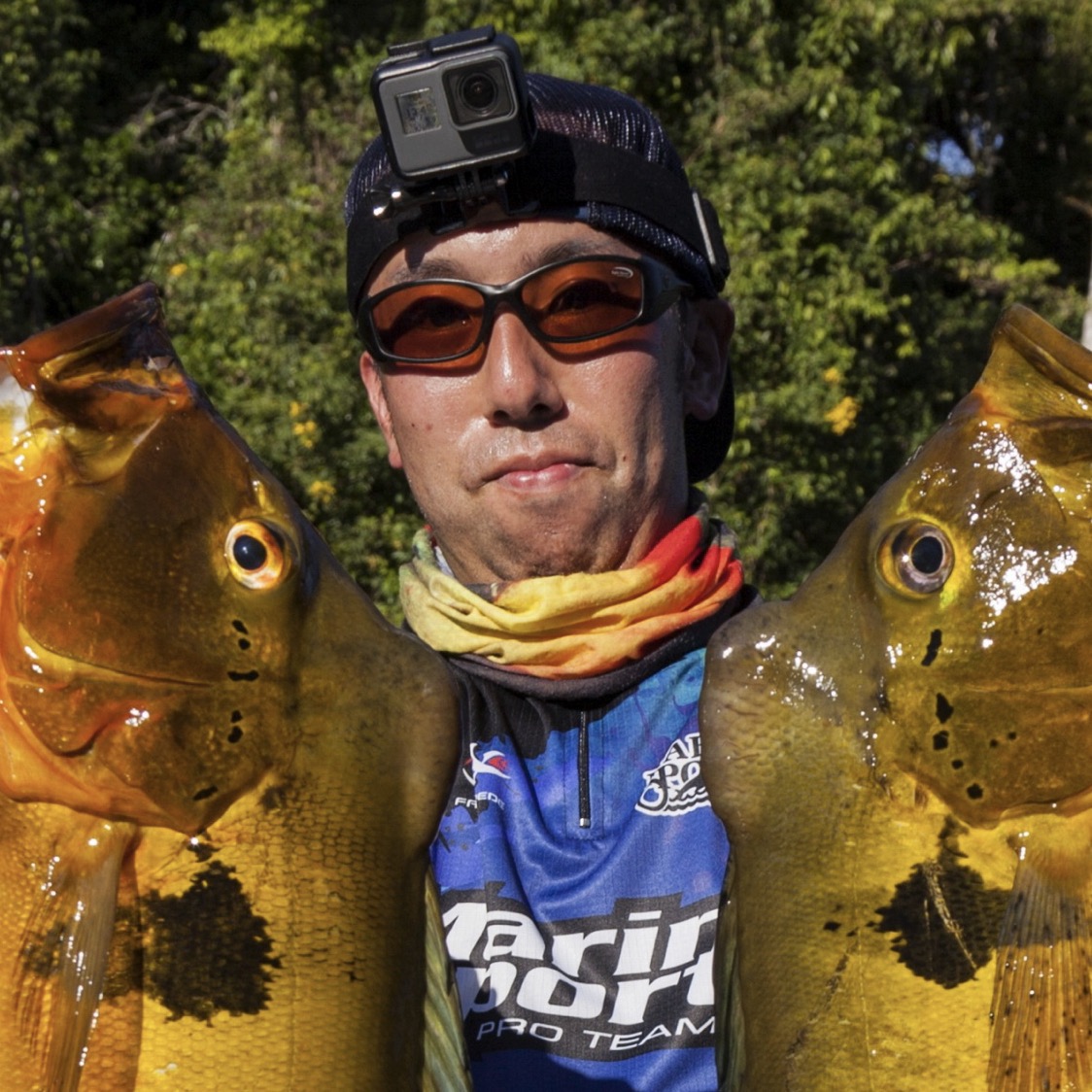
The Amazon: Successfully handling the bone-crushing jaws of Trahira (Wolffish).
We are incredibly proud to see the YAJIROBEE proving its worth across so many diverse global fisheries.
Up until now, we’ve focused heavily on the engineering, R&D, and structural concepts of the bait. In our next installment, Episode 4, we will dive into tactical presentations, recommended tackle setups, and the endless custom tuning possibilities this bait has to offer. Stay tuned!


Comments